

Light Mode
Here are some projects I've worked on in the Anand Lab. Most connect to a publication (emphasized in gold), but I've included a few side projects / tools I've made. Descriptions here are simplified versions of the published work.
If you
are
interested
to learn more feel free to connect on LinkedIn or check out my
Google
Scholar page.
This page is still growing! I'm keeping unpublished work light on details for now, but more
is coming soon.
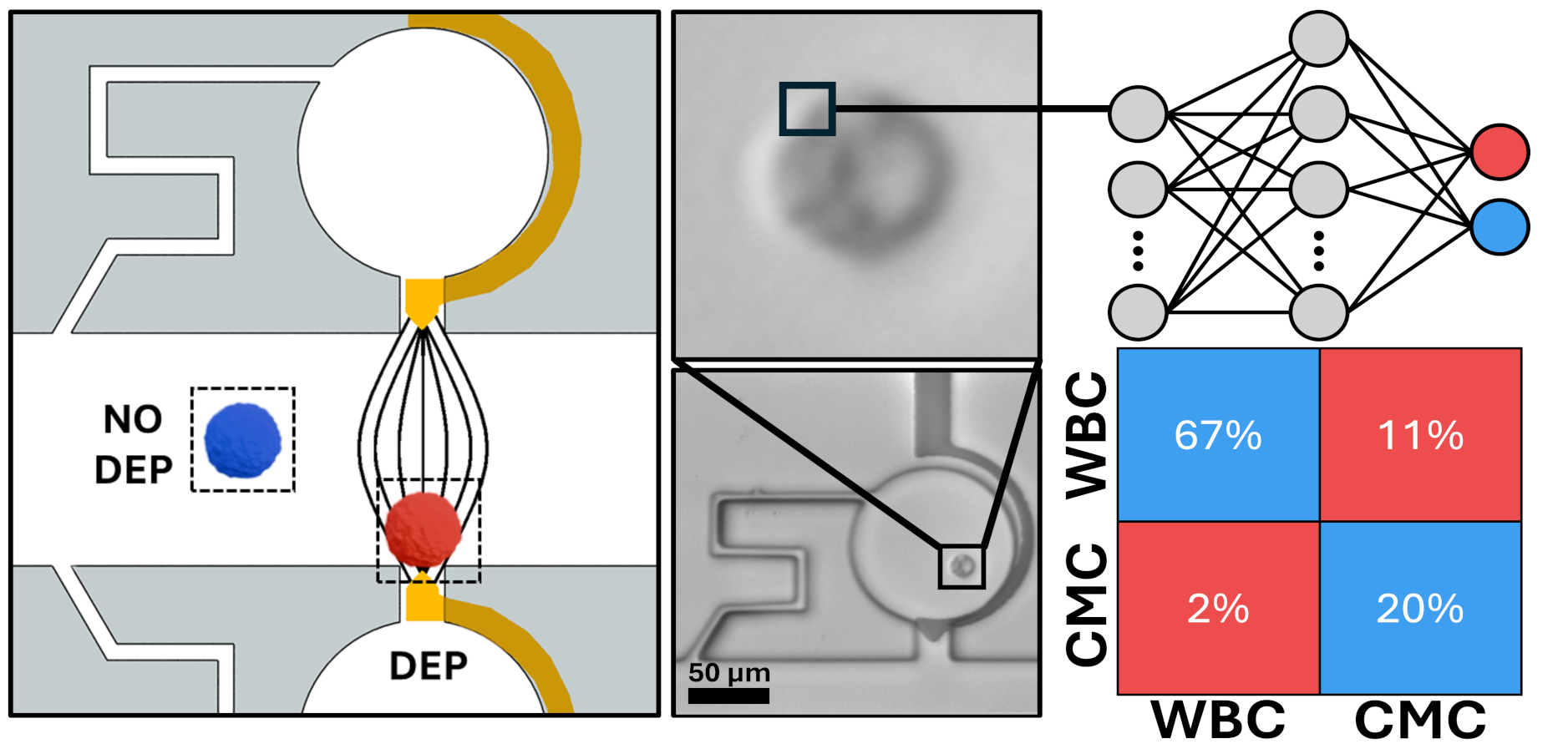
Check back for more info later!
Machine Learning, Interpretable AI, Model Evaluation, CNNs, Transfer Learning
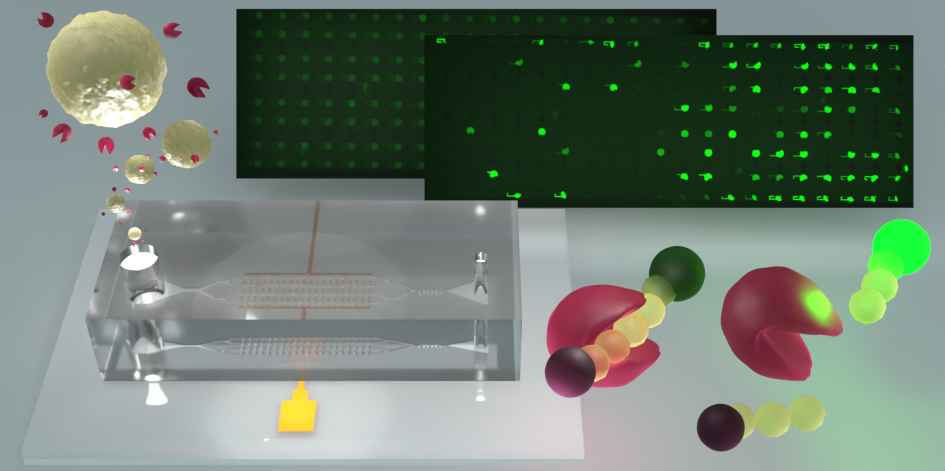
My first publication as first author! I am very excited to have this work published. This article was featured as the front cover of Analytica Chimica Acta! I plan to do a write up on what this project was all about soon, but I am so, so busy (5th year grad student).
Analytical skills, Python, Blender, Data analysis and visualization, grit
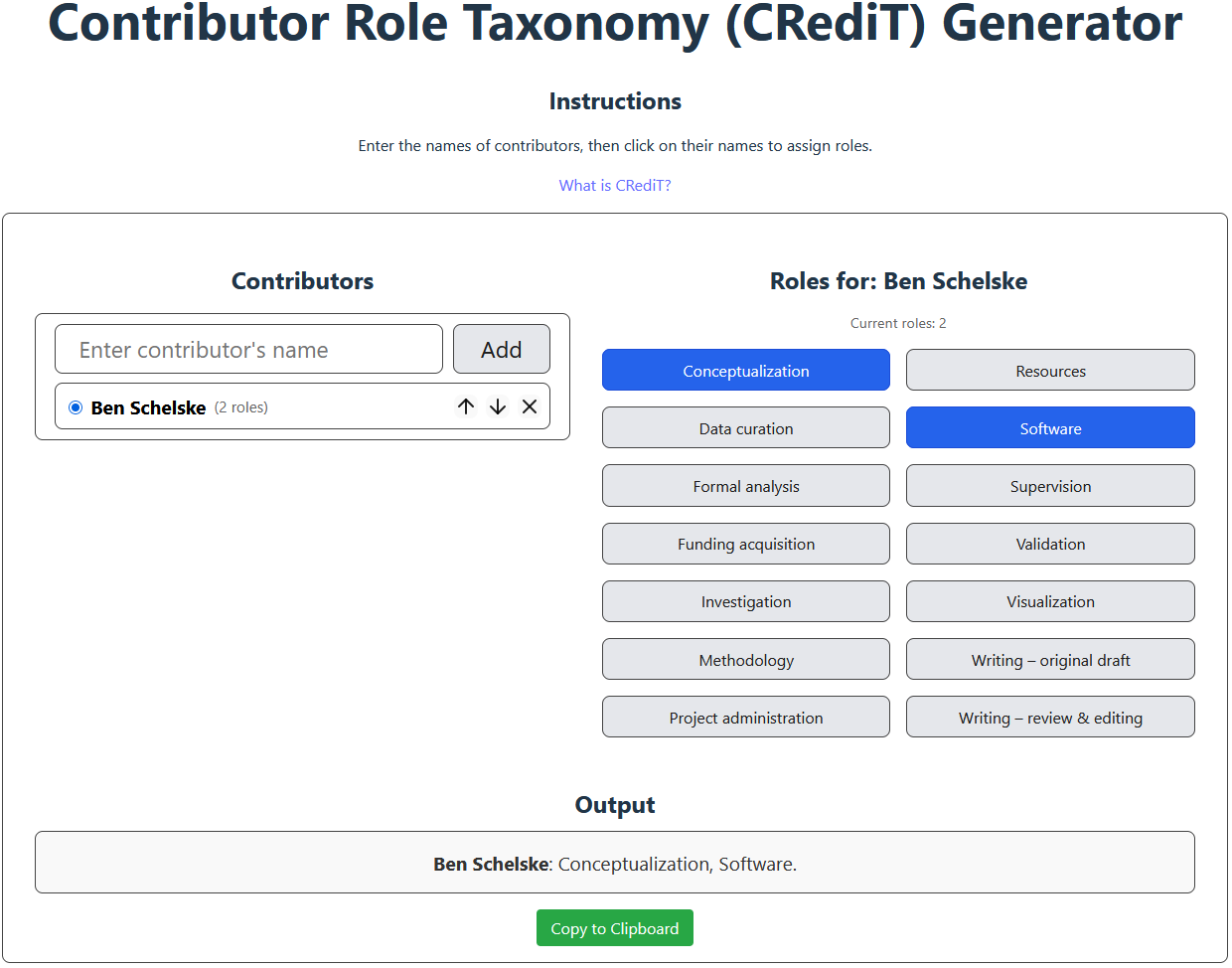
I couldn't find a simple tool to generate CRediT roles for my publications, so I made one! I think this tool can help other researchers generate CRediT roles for their publications too. This is a simple web app that allows you to select roles and generate a formatted list of authorship contributions. The site went live in Dec 2025 and serves around 50 users per month.
HTML, CSS, React
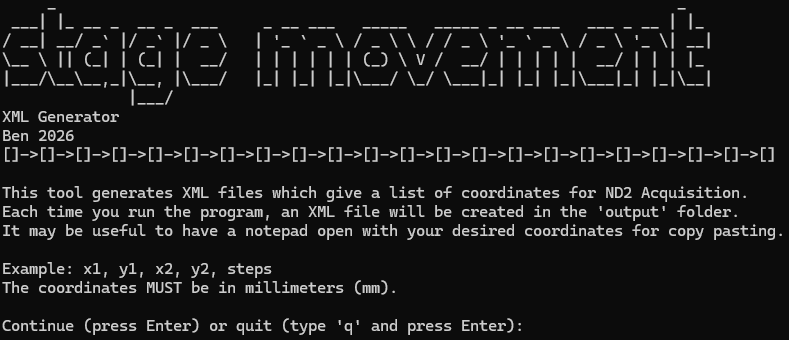
The purpose of this program is to generate a coordinate list of positions for a microscope to visit using an automatic stage. It calculates a linear path between a start and end point and formats it into an XML file that Nikon NIS-Elements can read.
Rust, CLI tools, GitHub releases, XML

Check back for more info later!
PyTorch, CNNs, transfer learning, deep learning fundamentals.
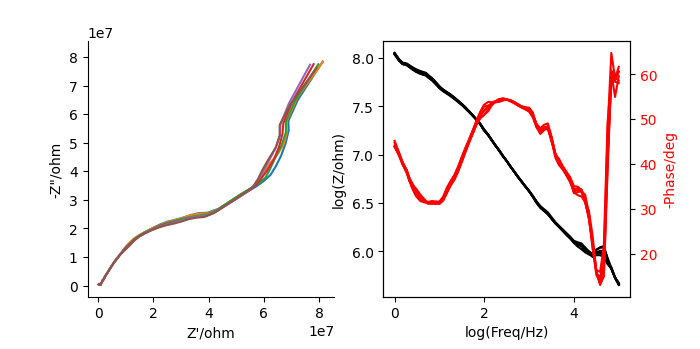
At the time, I had a lot of domain knowledge when it comes to machine learning principles, but not very much experience. It was like the difference between being a hardcore sports fan and actually playing professional sports. My personal goal for this project was to bridge that gap and get hands-on experience with machine learning. Here I'm using a random forest model to help interpret electrochemical impedance spectroscopy (EIS) data. The results help predict device performance. During this project, I had a need to plot the output of a CH Instruments CHI650E potentiostat.
Random Forest Models, EIS
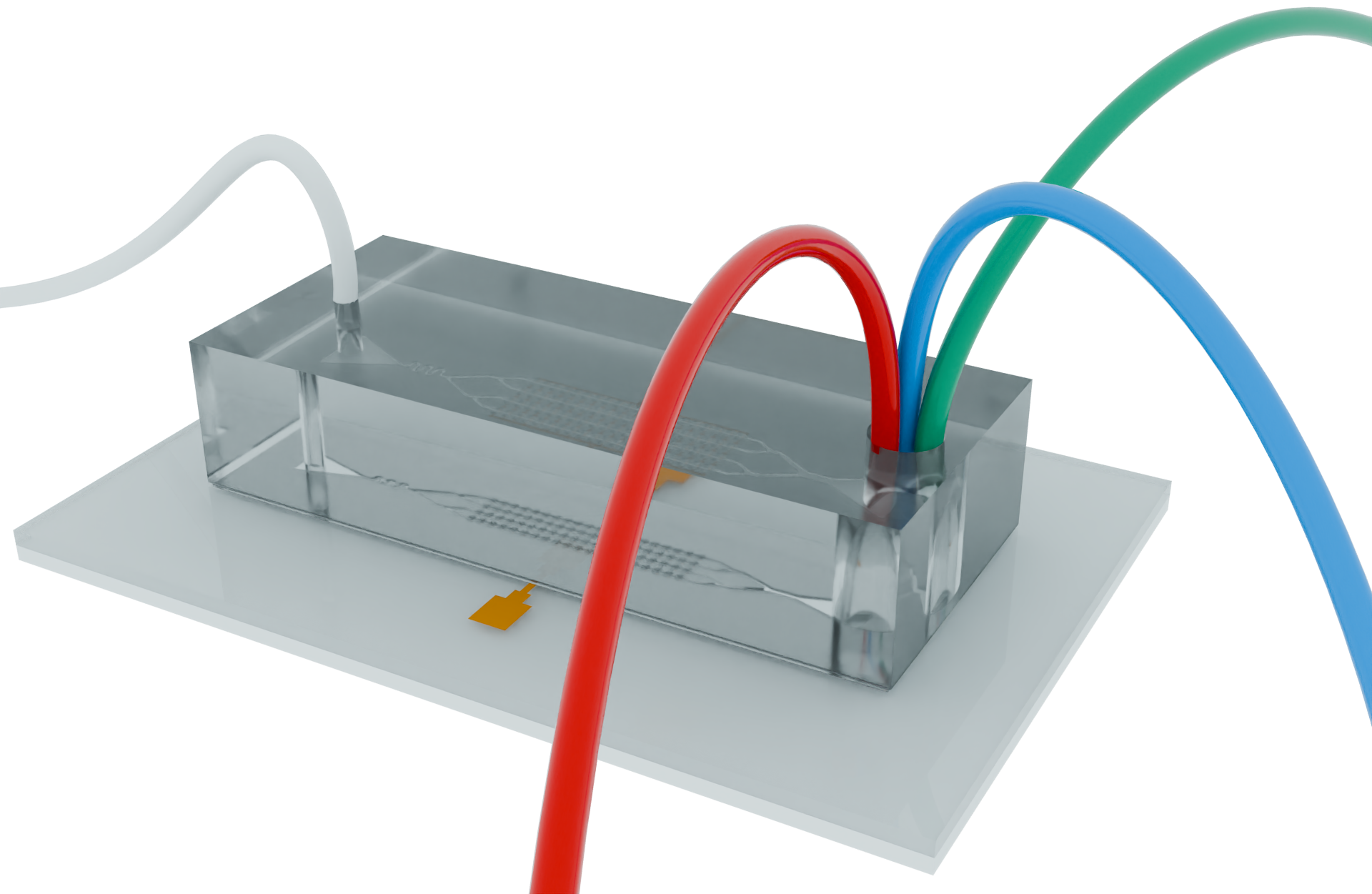
This project was the automation of an experiment that involved lots of tedious pipetting. The control of a few syringe pumps can remove this repetitive task from the experiment workflow. In this project, I learned about interfacing hardware and software, utilizing serial connections, and multithreading.
Serial control over USB, interfacing hardware + software, multithreading, UI design
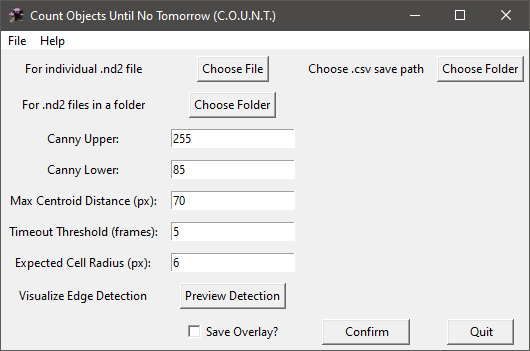
I like to look at cells under a microscope. I would like to count them, but they move, and there's thousands of them... I wrote some code to track and count cells using OpenCV. This project is my first foray into computer vision, and also includes a gui for increased accessibility. I learned a lot about different image processing techniques and object detection algorithms. Building this was intense!
Computer vision, Python, UI, Git, OpenCV, APIs, Clean Code
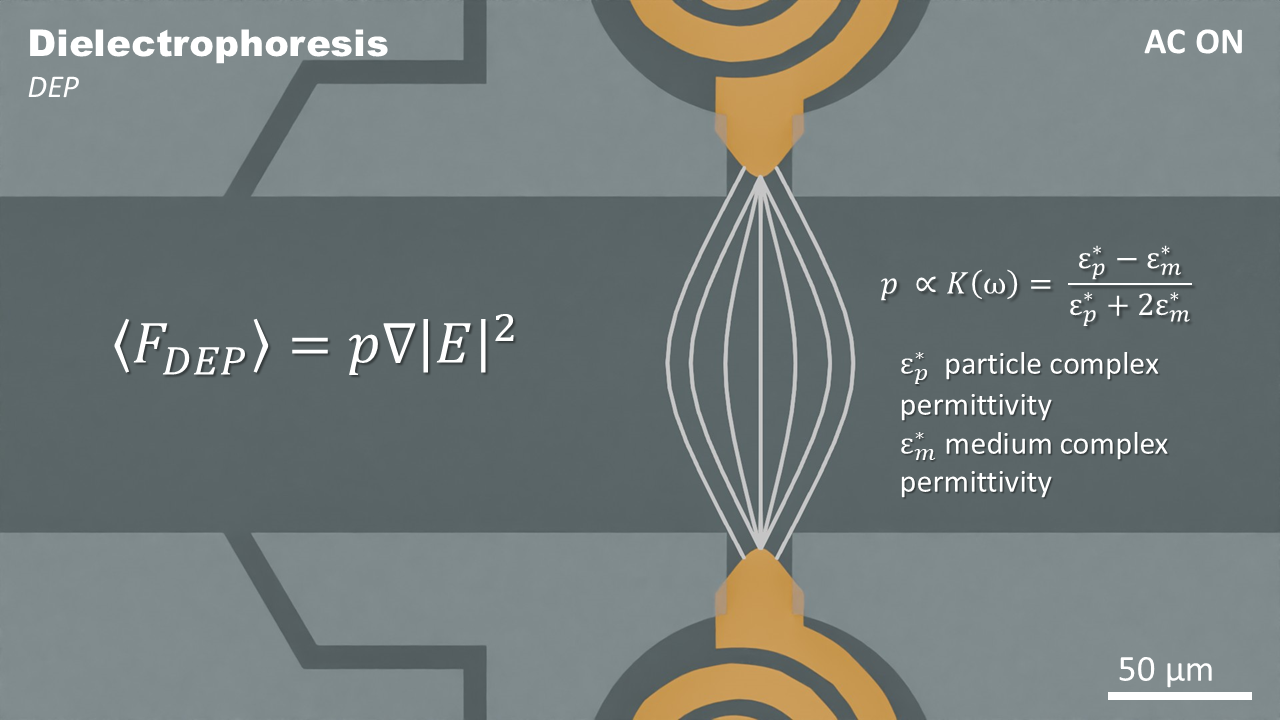
I competed in a department wide presentation competition on April 24, 2024! I made a really nice presentation about my work on the MMP9 project, using animations created in Blender. Blender is hard to learn but extremely powerful for scientific communication. I plan to write more about this soon!
Blender, scientific communication, professional presentations
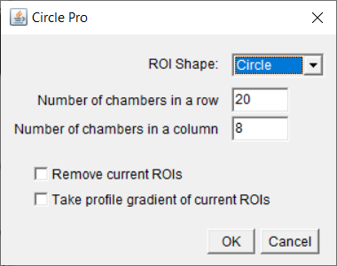
Some of the first code I've ever wrote was in the ImageJ macro language using notepad. I was interested in improving the data analysis workflow for making measurements on fluorescence microscopy images. I wrote a series of macros that automatically place regions of interest (ROIs) over regions of interest, identify the presence of cancer cells, and made data collection easier. ImageJ is awesome!
ImageJ Macro Language, image analysis/processing
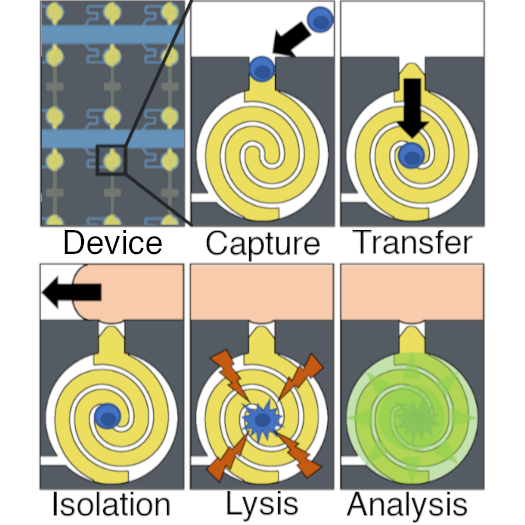
I contributed towards this project while being trained by my mentor Joe. This project is about device optimizations and an investigation into single-cell β-galactosidase activity.
Lab skills, microfluidics, cleanroom skills, technical writing